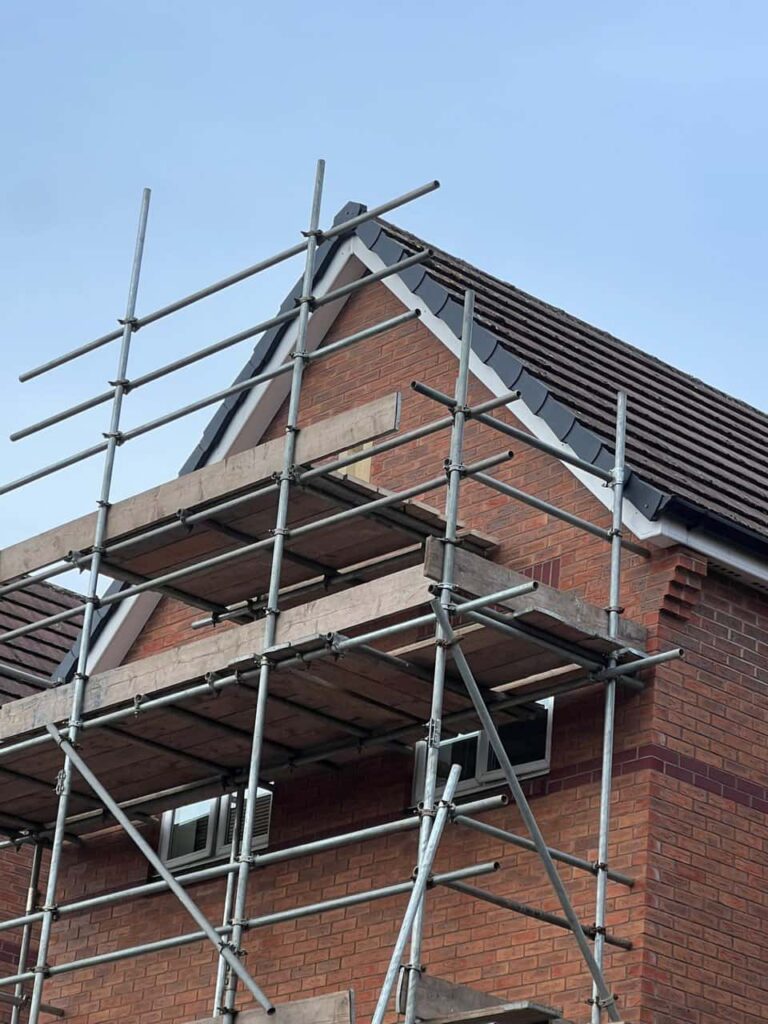
Lead flashing plays an important role in keeping a roof watertight. It is commonly installed around chimneys, roof valleys, dormers and other junctions where water could otherwise enter the building. Although lead is durable and flexible, flashing can still deteriorate, become displaced or develop defects over time.
For property owners in Mansfield Woodhouse, Nottingham, damaged lead flashing is an issue worth addressing promptly. Even when the main roof tiles appear to be in good condition, a fault around a roof joint can allow rainwater to penetrate the structure, potentially causing damp patches, damaged timber and deterioration to internal finishes.
Understanding the common causes of flashing problems and recognising the warning signs can help homeowners arrange suitable repairs before the damage becomes more extensive.
What Causes Lead Flashing to Fail?
Lead flashing is designed to form a protective seal at vulnerable roof junctions. Its effectiveness depends on correct installation, secure positioning and the condition of the surrounding roofing materials.
Cracked or Split Lead Flashing
Lead expands and contracts as temperatures change. Over time, repeated movement can contribute to fatigue and splitting, particularly where the flashing has been poorly detailed or is unable to move as intended.
Cracks and splits can create openings through which rainwater enters. These defects may be difficult to identify from the ground, especially when the affected section is hidden behind a chimney or beneath overlapping roof materials.
Loose or Displaced Flashing
Strong winds, deteriorating fixings and movement around roof junctions can cause flashing to lift or pull away from its intended position. Once the protective overlap is compromised, water may find a route beneath the flashing and into the roof structure.
Displaced flashing should be assessed promptly, as simply pressing it back into place may not provide a lasting repair if the original fixing or installation is defective.
Deteriorating Mortar Around Chimneys
Lead flashing around chimneys is often secured into joints in the masonry. If the surrounding mortar cracks, crumbles or becomes loose, the flashing may no longer form a reliable seal.
Water can then enter through the gap between the flashing and the chimney. A lasting repair may require attention to both the leadwork and the surrounding masonry rather than treating the flashing alone.
Poor Installation or Previous Repairs
Incorrect overlaps, unsuitable fixing methods and inadequate detailing can leave flashing vulnerable to water penetration. Previous repairs may also fail if they use unsuitable materials or do not address the underlying defect.
A professional assessment can establish whether the flashing needs localised repairs, renewed sections or more extensive corrective work.
Warning Signs of Damaged Lead Flashing
Lead flashing problems are not always immediately visible, but several signs may indicate that the roof needs attention.
Damp Patches on Ceilings and Walls
Brown stains, peeling paint and damp patches near chimneys or upper walls can indicate water ingress around roof junctions. However, these symptoms may also be caused by damaged tiles, defective gutters or other roofing problems.
Identifying the precise entry point is important because water can travel along roof timbers before appearing inside the property.
Visible Gaps Around Roof Junctions
From a safe position on the ground, look for flashing that appears lifted, distorted or separated from the surrounding masonry or roof covering. Missing sections or visibly damaged edges may also indicate a problem.
Avoid climbing onto the roof to inspect the flashing, as roof surfaces can be slippery and unstable.
Persistent Dampness Around a Chimney
Moisture affecting chimney breasts, upper walls or the surrounding loft area may suggest a defect in the flashing or nearby roof components. If dampness repeatedly returns after rainfall, arranging an inspection can help determine whether water is entering through the roof junction.
How to Prevent Roof Leaks Caused by Lead Flashing
Preventative maintenance helps identify defects before they allow significant amounts of water into a property.
Arrange Roof Inspections
Periodic professional inspections can identify early signs of splitting, displacement and deteriorating mortar. Checks are particularly useful after severe weather or when a roof has developed unexplained damp patches.
An inspection should consider the flashing alongside nearby tiles, roof valleys, chimney masonry and other junctions that may contribute to water ingress.
Keep the Roof in Good Overall Condition
Lead flashing works as part of a wider roofing system. Broken tiles, blocked drainage routes and deteriorating roof components can affect how water moves across the roof and place additional demands on vulnerable junctions.
Maintaining the surrounding roof covering helps support the effectiveness of the flashing and reduces the risk of related defects being overlooked.
Address Minor Defects Promptly
Small gaps, loose edges and deteriorating mortar should not be ignored. Water entering through a minor opening can gradually affect the materials beneath the roof covering, potentially leading to more complicated repairs.
The appropriate solution depends on the condition of the lead and its surrounding components. Repairs may involve securing displaced flashing, correcting defective joints or replacing damaged sections where necessary.
Professional Lead Flashing Repairs in Mansfield Woodhouse, Nottingham
Lead flashing repairs require careful attention to the roof’s design and the way different materials meet. Simply sealing a visible gap may not resolve the problem if water is entering through another part of the junction or if the underlying materials have deteriorated.
Mansfield Woodhouse Roofing Repairs can help identify flashing defects and assess the work needed to restore the roof’s weather protection. By examining the affected area and its surrounding components, suitable repairs can be recommended to address the cause of the leak rather than just its visible symptoms.
If you have noticed damp patches, loose flashing or signs of water entering around a chimney or roof junction, contact Mansfield Woodhouse Roofing Repairs to discuss your concerns and arrange a professional assessment.
Conclusion
Lead flashing is essential for protecting vulnerable roof junctions from rainwater, but cracks, loose sections, deteriorating mortar and poor installation can compromise its performance. Recognising these problems early can help prevent leaks from causing further damage to the roof structure and interior of a property.
For homeowners in Mansfield Woodhouse, Nottingham, regular inspections and timely repairs are practical ways to maintain effective roof protection. If you suspect your lead flashing is damaged or notice recurring dampness, Mansfield Woodhouse Roofing Repairs can help identify the issue and determine the most appropriate solution.
Call us on: 01623 700 890
Click here to find out more about Mansfield Woodhouse Roofing Repairs
Click here to complete our contact form and see how we can help with your roofing needs.