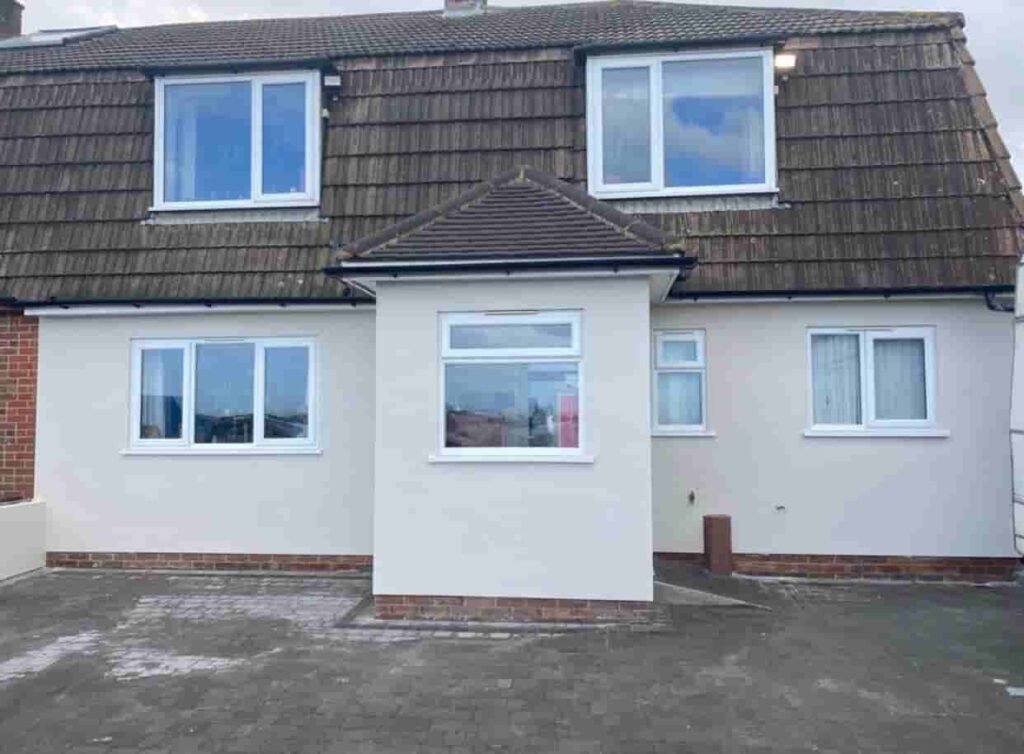
A roof that continues to leak despite previous repairs can become increasingly difficult to manage. One leak may be traced to a damaged tile, another may appear around a junction, and later water ingress may develop somewhere else entirely. When this pattern continues, it is reasonable to question whether individual repairs are still addressing the roof effectively.
A replacement roof can solve recurring leak problems when those leaks are being caused by widespread deterioration across the existing roofing system. However, replacement is not automatically necessary simply because a roof has leaked more than once. The cause, location and overall condition of the roof should always be established first.
For homeowners in Mansfield Woodhouse, Nottinghamshire, a thorough roof assessment can determine whether another targeted repair remains appropriate or whether replacement would provide a more dependable long-term solution.
When Can Roof Replacement Resolve Recurring Leaks?
Roof replacement becomes particularly relevant when water ingress is no longer associated with one isolated defect. If several parts of the roof are deteriorating, repairing each new problem individually may leave other vulnerable areas untouched.
Factors that can indicate a wider roofing problem include:
- Leaks developing in several unrelated locations
- Roofing materials deteriorating across multiple areas
- Repeated problems with tiles or slates
- Widespread deterioration beneath the roof covering
- Several roof junctions beginning to fail
- Recurring problems despite previous repairs
- Increasingly fragile surrounding materials
- Deterioration affecting flashing, valleys or other key details
- Repairs becoming necessary more frequently
When these conditions occur together, replacing the deteriorated roofing system can address multiple weaknesses as part of one coordinated approach.
Why Do Roof Leaks Keep Returning?
A recurring roof leak does not always have the same cause.
Sometimes water continues entering because the original defect was never correctly identified. In other situations, one repair may have been successful but another part of the ageing roof subsequently develops a separate weakness.
This distinction is important.
If the same localised defect has simply been difficult to diagnose, replacement of the entire roof may be unnecessary. If different areas continue to fail because the roofing materials are deteriorating more generally, the roof’s overall reliability deserves closer consideration.
Understanding the pattern of leaks is therefore one of the first steps towards deciding what the roof genuinely needs.
Repeated Leaks in the Same Area May Still Be Repairable
If water consistently appears in one location, it is worth investigating whether a specific unresolved defect remains responsible.
Rainwater can travel beneath tiles, along underlay or across structural components before becoming visible internally. The point where a ceiling becomes damp may therefore be some distance from the actual roof defect.
Previous repairs that concentrated solely on the visible symptom may not have addressed the true entry point.
A detailed assessment of the relevant roof area can sometimes identify a localised problem that remains suitable for targeted repair.
Leaks Appearing Across the Roof Tell a Different Story
When leaks begin appearing independently in several sections, the condition of the entire roof becomes more significant.
One area might have deteriorated flashing, another may contain failing roof coverings, while a separate section develops problems around a valley or junction.
Individually, each defect might appear repairable. Collectively, however, they can indicate that multiple parts of the roofing system are reaching a similar stage of deterioration.
At this point, repeatedly concentrating on whichever leak appeared most recently may no longer provide a dependable approach.
The Condition of Tiles or Slates Matters
Roof coverings need to remain sufficiently sound to provide weather protection and support effective repairs.
A few isolated damaged tiles or slates can usually be considered separately when surrounding materials remain serviceable. The situation changes when large numbers of roofing materials have become fragile, cracked, loose or heavily deteriorated.
New repairs need to integrate with the existing roof.
If neighbouring materials can no longer provide a reliable basis for those repairs, continued localised work may become increasingly difficult. Replacement allows deteriorated coverings to be addressed consistently rather than leaving numerous vulnerable sections in place.
What Is Happening Beneath the Roof Covering?
A roof can sometimes appear reasonably intact externally while problems are developing beneath the visible materials.
Underlay and battens form important parts of the roofing system. Where water ingress has occurred repeatedly, these components may have experienced prolonged exposure to moisture.
If deterioration beneath the roof covering is confined to one area, sectional work may still be appropriate.
When underlay or supporting components are deteriorating extensively, however, repairing individual surface defects may not address the wider condition. Roof replacement provides an opportunity to expose and renew affected components as part of a complete roofing system.
Flashing and Junctions Can Cause Persistent Problems
Some recurring leaks originate around roof details rather than across the main covering.
Flashing, junctions and abutments are designed to protect locations where different surfaces meet. Even a relatively small weakness can allow considerable water ingress during certain weather conditions.
If one flashing detail is responsible for repeated leaking while the remainder of the roof is sound, targeted repair may be entirely appropriate.
When several junctions and associated roof details are deteriorating alongside the main covering, the combined condition may support a more comprehensive approach.
Valleys Can Reveal Wider Roof Deterioration
Roof valleys carry concentrated amounts of rainwater from adjoining slopes, making their condition particularly important.
A localised valley defect can often be repaired when surrounding roofing materials remain sound. However, deterioration around a valley can sometimes extend into adjacent underlay, battens and roof coverings.
Repeated problems in these areas deserve careful investigation.
The objective is to establish whether the valley itself is the isolated cause or whether its deterioration forms part of a wider decline in the roof.
Previous Roof Repairs Provide Valuable Clues
The repair history of a roof can reveal a great deal about its overall reliability.
Occasional repairs over many years do not necessarily indicate that replacement is required. Individual roofing components can need attention while the majority of the roof remains perfectly serviceable.
A different pattern develops when repairs are becoming increasingly frequent.
If work has been required across several sections and new defects continue appearing, it may indicate that the underlying roofing system is deteriorating faster than individual repairs can maintain it.
Looking at the complete repair history can therefore provide useful context when deciding whether replacement should be considered.
Does the Age of a Roof Decide Whether It Should Be Replaced?
Age should not be used as the sole reason for roof replacement.
Two roofs of a similar age can be in very different condition depending on materials, installation, exposure and maintenance history. An older roof with sound materials may still respond well to localised repair.
Age becomes more relevant when it accompanies other signs of deterioration.
If an ageing roof is also experiencing widespread material failure, repeated leaks and problems across several details, replacement may provide a more appropriate response to its overall condition.
The physical state of the roof should always carry more weight than age alone.
Why Continually Treating Symptoms Can Be Ineffective
Stopping the latest visible leak is not necessarily the same as restoring overall roof reliability.
If the roofing system contains several deteriorating areas, repairing one opening may stop water entering there while another weakness remains ready to cause the next problem.
This can create a cycle of reactive repairs.
The sensible approach is to determine whether each leak is an independent localised event or part of a wider pattern. Once deterioration becomes widespread, addressing the roofing system as a whole can provide a more coherent solution.
How Can Replacement Address the Underlying Problems?
A properly planned replacement roof does more than provide a new external covering.
Removing deteriorated materials allows relevant underlying components and roof details to be assessed. The roofing system can then be reinstated so that its different elements work together effectively.
This can address several causes of recurring water ingress at the same time, including deteriorated coverings, vulnerable underlay and failing weatherproofing details.
Where repeated leaks are genuinely the result of widespread roof deterioration, this comprehensive approach can restore dependable weather protection rather than continuing to manage individual symptoms.
Replacement Is Not Always the Correct Answer
Recurring leaks should not automatically lead to a recommendation for a new roof.
A troublesome leak may still originate from one defective junction or another localised weakness. Once accurately identified, repairing that area could resolve a problem that has persisted for some time.
This is why diagnosis should always come before the decision.
Replacing a serviceable roof because of one unresolved defect would be unnecessary. Equally, repeatedly repairing an extensively deteriorated roof may fail to address its overall condition.
The appropriate solution sits in understanding which of these situations applies.
Why a Whole-Roof Assessment Is Important
When a property has experienced several leaks, inspecting only the latest affected area provides limited information.
A whole-roof assessment can establish whether other sections remain sound, whether different leaks are connected and whether deterioration is concentrated or widespread.
It can also identify areas that are beginning to decline before they produce obvious internal symptoms.
For homeowners in Mansfield Woodhouse, Nottinghamshire, this wider assessment provides a more informed basis for deciding between continued repairs and roof replacement.
The Value of a Condition-Led Recommendation
Roofing recommendations should reflect the condition actually found.
At Mansfield Woodhouse Roofing Repairs, the aim is to understand why leaks are recurring before determining what level of work is appropriate. If the defects remain localised and the wider roof is serviceable, targeted repairs may provide the correct solution.
Where investigation shows that recurring leaks are being caused by deterioration throughout the roofing system, replacement can be considered as a more comprehensive way of restoring reliable performance.
This condition-led approach helps ensure that the recommended work is proportionate to the roof’s actual needs.
Conclusion
A replacement roof can solve recurring leak problems when those leaks are being caused by widespread deterioration rather than one isolated defect. Renewing the roofing system can address multiple vulnerable areas, deteriorated coverings and affected underlying components together.
However, recurring leaks do not automatically mean replacement is necessary. If the problem can be traced to a localised defect and the surrounding roof remains sound, professional repair may still provide an effective solution.
If your property in Mansfield Woodhouse, Nottinghamshire is experiencing repeated roof leaks, contact Mansfield Woodhouse Roofing Repairs. We can assess the condition of the roof, identify why the problems are recurring and recommend an appropriate solution based on what the roofing system genuinely requires.
Call us on: 01623 700 890
Click here to find out more about Mansfield Woodhouse Roofing Repairs
Click here to complete our contact form and see how we can help with your roofing needs.